
How to Read Your Water Meter Like a Pro
How to Read Your Water Meter Like a Pro
We covered the basic water meter leak test in detail elsewhere on this site. This piece goes a step further – what the different parts of your meter actually mean, so you’re not just following steps but understanding what you’re looking at. If you’re asking “where is my water meter” in the first place, it’s most commonly in a small in-ground box near the curb or property line, sometimes with a metal or plastic lid marked “water.”
The Main Register
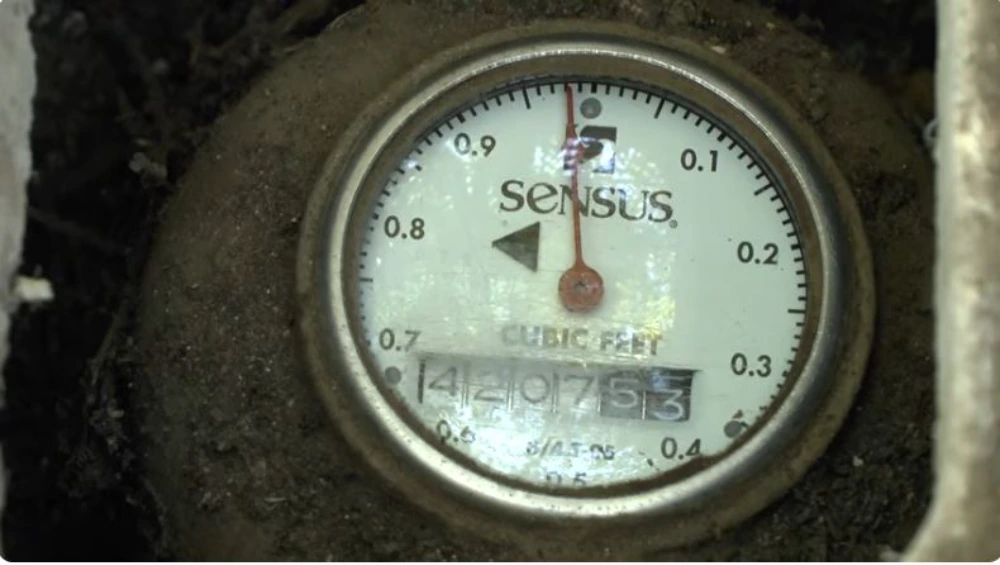
This is the large number display, usually showing total cubic feet or gallons consumed since the meter was installed. It’s what your water utility reads for billing. On its own it won’t catch a slow leak in real time, but tracking it week to week (or comparing bills) reveals gradual increases in usage.
The Leak Indicator
This is the small triangle, star, or spinning wheel elsewhere on the meter face. It’s disproportionately sensitive compared to the main register, designed to move with even a very small, continuous flow – which is exactly what a leak looks like. This is the piece to watch during the meter test, not the main number.
Flow Rate Indicators
Some newer digital meters display a real-time flow rate rather than just a spinning dial. If your meter has this, a flow rate reading above zero with everything off is the same signal as a moving leak indicator dial – confirmation something is using water.
Reading Trends, Not Just Single Checks
A single meter check tells you about right now. Writing down the main register reading monthly and comparing it to the same period last year is what actually catches a slow-developing leak before it becomes a mystery bill spike. This is the single most useful habit from our prevention checklist.


