The Hidden Cost of DIY Leak Repair Attempts
The Hidden Cost of DIY Leak Repair Attempts
We’re not against DIY – fixing a running toilet flapper or a dripping hose bib washer yourself is completely reasonable. What we see go wrong is homeowners attempting to locate or fix a leak they can’t actually see, without the equipment to do it accurately. Here’s where that tends to go sideways.
Guessing at the Location
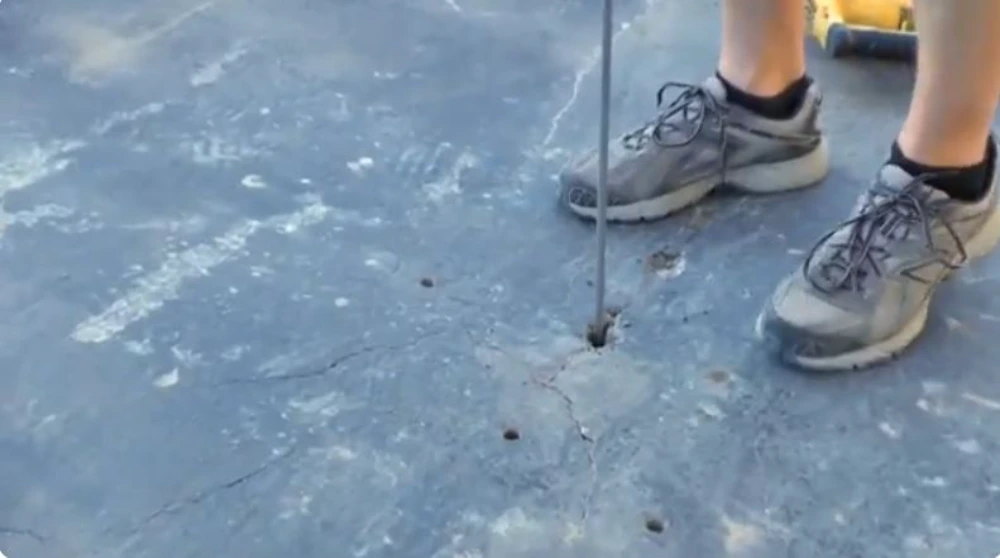
Without acoustic or thermal equipment, finding a slab or wall leak’s exact location means guessing based on where a stain or warm spot seems strongest – and water doesn’t always travel in a straight line to the surface. We’ve seen homeowners open drywall or break concrete in the wrong spot entirely, creating repair work that didn’t need to happen and still not finding the leak.
Chemical “Stop Leak” Products
These are generally a temporary measure at best for small leaks in accessible systems like pools, not a real fix for a plumbing leak in your home’s supply lines. Using one delays proper diagnosis while the underlying leak keeps running – the cost of the delay usually exceeds whatever the product cost.
Repeated Attempts on the Same Leak
A patch or repair applied without confirming the leak’s exact source and extent sometimes addresses only part of the problem, leading to it reappearing weeks later – at which point the affected area has already been opened and closed once, adding cost to whatever comes next.
Where the Line Actually Is
Simple, visible fixes (a toilet flapper, a hose bib washer, a visible drain leak under a sink) are genuinely fine to DIY. Anything requiring you to locate a leak you can’t see – inside a wall, under a slab, underground – is where professional detection equipment earns its cost by avoiding exactly the guesswork described above.


