
How Earthquakes Can Affect Underground Plumbing
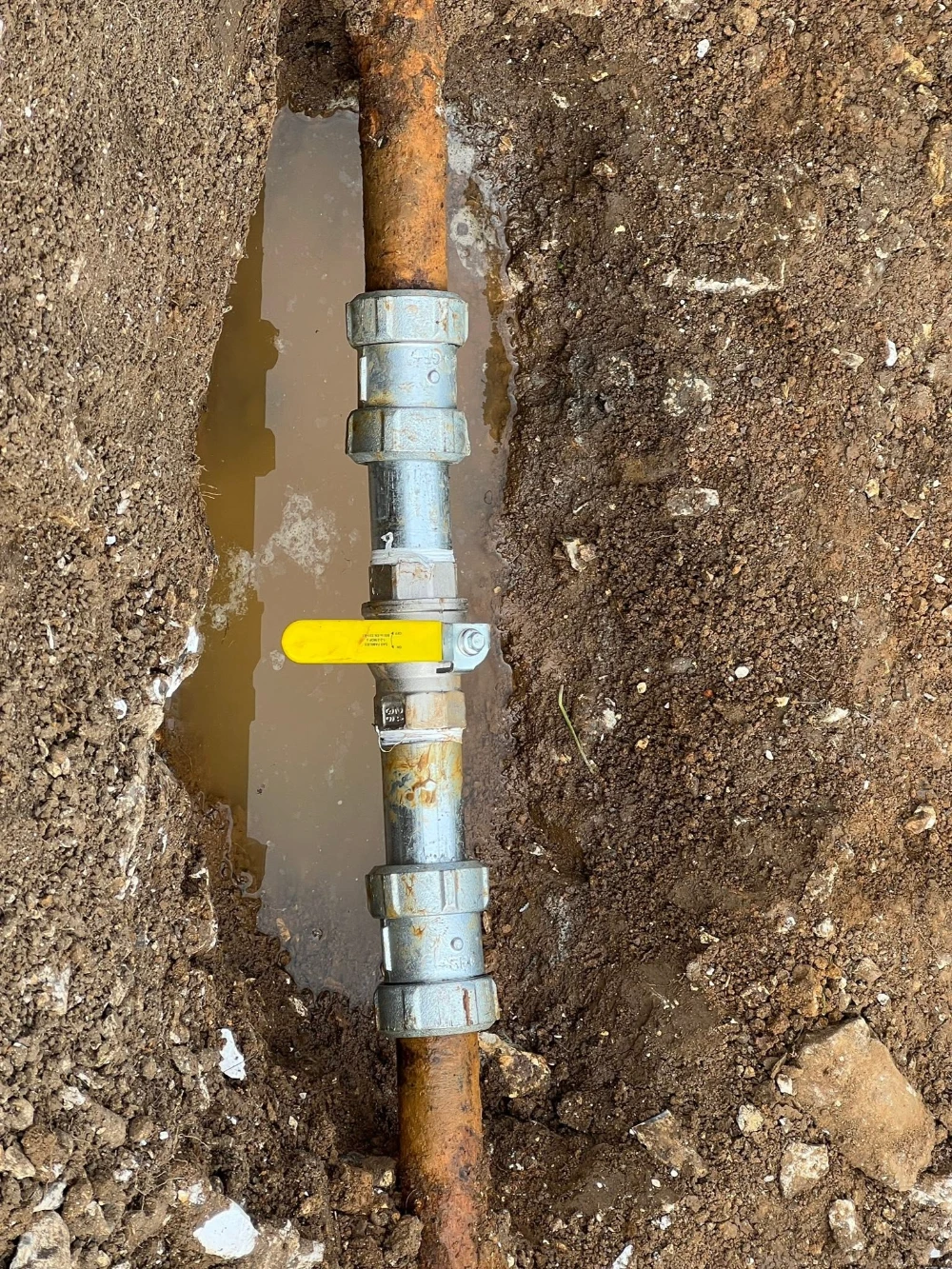
How Earthquakes Can Affect Underground Plumbing
Living in Southern California means living with seismic activity as a background fact of life, and most quakes here are small enough to pass without much notice. But even minor, frequent seismic movement can have a cumulative effect on buried plumbing over years, which is worth understanding generally.
Rigid vs. Flexible Materials
Rigid pipe materials and joints – older cast iron, some older copper joints – are generally more susceptible to stress from ground movement than more flexible modern materials like PEX, which can accommodate a degree of shifting without cracking. This is general engineering knowledge, not specific to any one property, but it’s part of why pipe material and age both matter when thinking about long-term plumbing resilience in a seismically active region.
Soil Movement Matters as Much as the Shaking Itself
Buried pipes are affected not just by direct shaking but by how the surrounding soil settles or shifts afterward. Minor settlement over time, even without a major quake, can gradually stress pipe joints – which is one more reason underground lines in older homes are worth monitoring rather than assuming they’re fine indefinitely.
What This Means Practically
We’re not seismic engineers, and this isn’t a warning that your pipes are at imminent risk. It’s simply useful context: if you’ve noticed a new leak shortly after a notable seismic event, or if your home has original rigid pipe joints, that’s a reasonable moment to check rather than assume everything is fine. Our standard pressure test confirms whether anything has actually developed into a leak.


